
What is IVF? (In Vitro Fertilization)
We discuss what is IVF? Common questions reelated to it and the success rates of IVF.
Dr Shantanu Prabhu
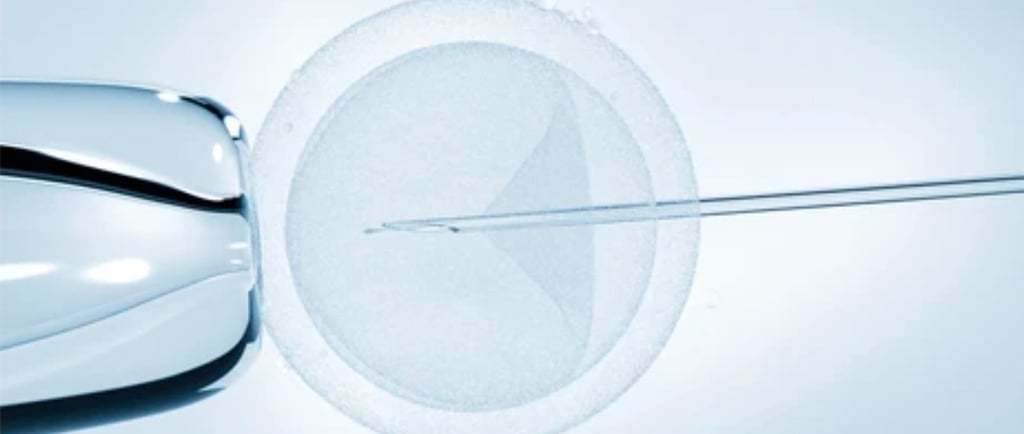
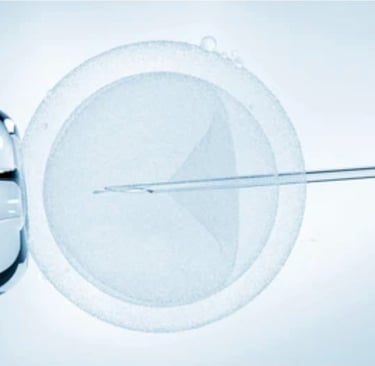
What Is IVF (In Vitro Fertilisation)?
IVF, or In Vitro Fertilisation, is a fertility treatment in which an egg and sperm are combined in a laboratory to form an embryo. This embryo is then gently placed into the uterus to help achieve pregnancy. IVF is usually advised when natural conception or simpler treatments like IUI have not been successful, or when there are medical reasons that make pregnancy difficult.
How Does IVF Work?
IVF happens step by step:
Ovarian stimulation: Medicines(injections) are given for 10 to 12 days to help the ovaries produce more eggs than usual.
Egg retrieval: Eggs are collected through a short, planned procedure done under anesthesia which requires admission for half a day.
Fertilisation in the lab: Eggs are fertilised with sperm to form embryos.
Embryo transfer: A healthy embryo is placed into the uterus using a thin catheter.
Pregnancy test: A blood test or a urine pregnancy test is done after about 2 weeks.
Is IVF Painful?
This is one of the most common questions. IVF is not usually painful. Most of the injections are subcutaneous just like insulin injections which have a very fine needle to reduce pain.
Egg retrieval is done under anesthesia, so pain is minimal. Mild discomfort, bloating, or cramps may occur for a few days. Embryo transfer is generally painless. It is done just like an IUI. Most patients are able to return to normal activities after a short period of rest.
Who May Need IVF?
IVF may be recommended if:
Fallopian tubes are blocked or damaged
There is severe male factor infertility
Multiple IUI cycles have failed
Endometriosis is present
Age-related fertility decline exists
Infertility remains unexplained
What Are the Success Rates of IVF?
IVF success depends on age, egg and sperm quality, and medical factors. Average IVF success rates of around 30%–60% per cycle, with higher chances in younger patients.
Is IVF Safe?
Yes. IVF has been safely used worldwide for many years. We will monitor you closely to reduce risks and ensure safe treatment.
At VitroVansh, we believe fertility treatment should be ethical, transparent, and personalised. Our team focuses on clear explanations, emotional support, and evidence-based care at every step.
Book a consultation today and take the next step with confidence.
Contact Us
Reach out for personalized IVF support
vitrovanshivf@gmail.com
+91 8779395530
+91 8779395712
© 2025. All rights reserved.
A-301-302, Jay-Vijay Building, Laxminarayan Lane, Behind Jhunjhunwala College, Ghatkopar (W)
Phone Numbers