
What is IUI (Intrauterine Insemination)?
We discuss the process of IUI, its success rates and common questions related to IUI.
Dr Shantanu Prabhu
1/15/2026
What Is IUI?
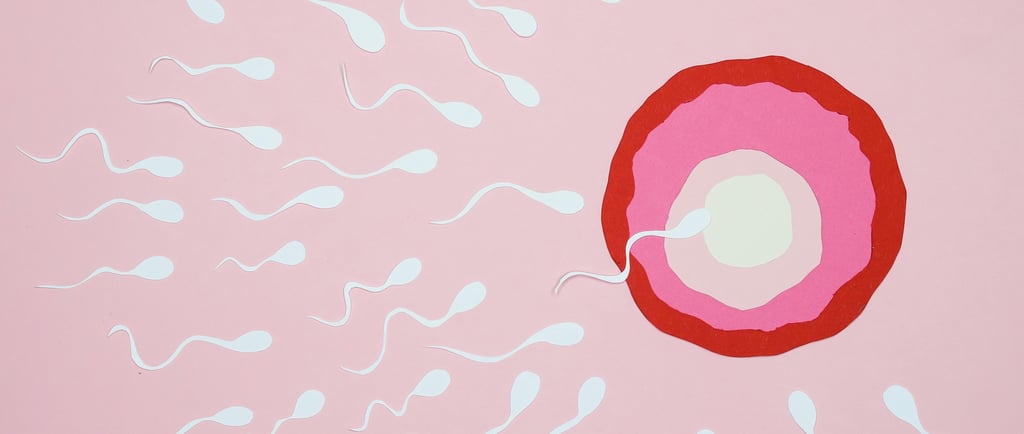
When a couple has trouble conceiving naturally, one of the first fertility treatments doctors may suggest is IUI, which stands for Intrauterine Insemination. It is a simple, minimally invasive fertility procedure that helps bring sperm closer to the egg to increase chances of fertilisation.
How Does IUI Work?
In a natural cycle, sperm must travel up through the cervix and uterus to reach the fallopian tube, where it may meet an egg. In IUI, your fertility specialist prepares a “washed” sample of sperm in the lab, removing slower and less healthy sperm and then places the concentrated sperm directly into the uterus using a thin, flexible catheter. This bypasses some biological barriers and improves the likelihood that sperm will reach the egg at the right time.
Who Might Need IUI?
IUI may be recommended when:
There is mild male factor infertility (e.g., slightly low sperm count or motility)
There are cervical factors (e.g., hostile mucus)
You have unexplained infertility
You are using donor sperm
You have irregular ovulation that can be timed
We will assess your individual health and fertility history before recommending IUI.
What Happens During an IUI Cycle?
Cycle Monitoring: Your doctor tracks ovulation using ultrasound or hormone tests to find the best time for insemination.
Sperm Preparation: A semen sample—either from your partner or a donor—is processed to concentrate the healthiest sperm.
Insemination: The prepared sperm is inserted into the uterus through the cervix with a thin catheter. The procedure is usually quick and painless, often done in a clinic without anesthesia.
Waiting Period: Two weeks later, a pregnancy test is done to see if the cycle was successful.
Is IUI Painful?
IUI is a painless procedure done without anaesthesia. Most women only feel mild discomfort during the procedure. However it depends on your pain threshold and varies person to person. At Vitrovansh we take utmost care to make this a pain ffree and pleasant experience for you.
What Are the Success Rates?
International data shows that IUI success rates per cycle typically range between about 5% and 20%, depending on age, fertility diagnosis, and whether fertility medicines are used. Factors that influence success include your age (younger patients tend to have higher rates), the cause of infertility, sperm quality, and ovulation timing.
At VitroVansh, we believe fertility care should be transparent, ethical, and personalised. Our experienced fertility specialists focus on evidence-based treatments, clear communication, and compassionate support at every step of your journey.
Book a consultation today and take the next step with confidence.
Contact Us
Reach out for personalized IVF support
vitrovanshivf@gmail.com
+91 8779395530
+91 8779395712
© 2025. All rights reserved.
A-301-302, Jay-Vijay Building, Laxminarayan Lane, Behind Jhunjhunwala College, Ghatkopar (W)
Phone Numbers